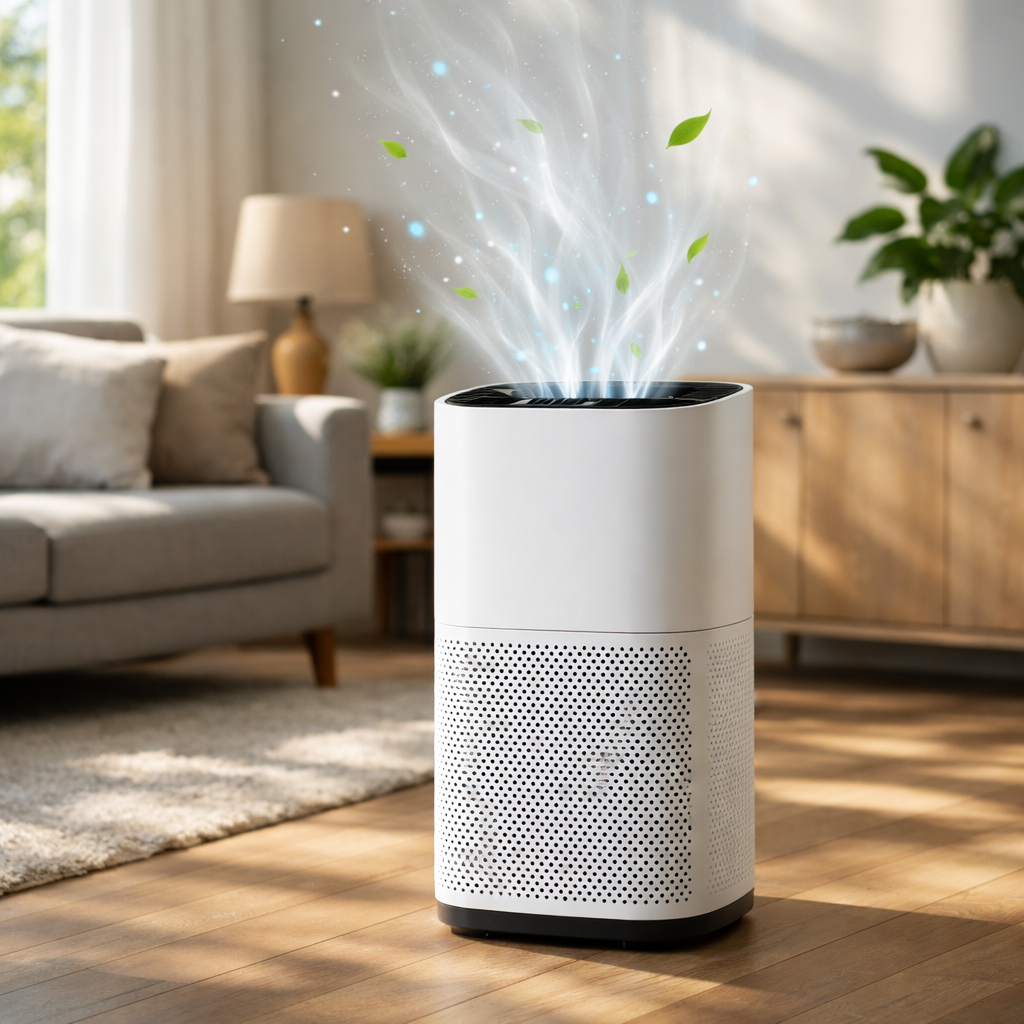
Do Air Purifiers Really Work? The Truth
The Big Question: Do Air Purifiers Actually Work?
You’ve seen the advertisements, read the claims, and maybe even considered purchasing one yourself. But you’re wondering: do air purifiers really work, or is it all marketing hype?
The short answer is **yes, air purifiers do work**—but with important caveats. In this article, we’ll dive deep into the science, examine what air purifiers can and cannot do, and help you understand when they’re worth your investment.
The Science Behind Air Purification
How Air Purifiers Work
Air purifiers work by pulling air through a series of filters that trap pollutants. The most common type—True HEPA filters—use a dense mesh of glass fibers to capture particles as they pass through.
**The Process:**
1. Fan draws contaminated air into the unit
2. Air passes through pre-filter (catches large particles)
3. Air moves through HEPA filter (traps 99.97% of tiny particles)
4. Optionally, air passes through carbon filter (absorbs gases/odors)
5. Clean air releases back into the room
6. Cycle repeats continuously
What Particles Air Purifiers Capture
**Effectively Trapped:**
– Dust and dust mite debris
– Pollen (seasonal allergies)
– Pet dander (cats, dogs)
– Mold spores
– Smoke particles
– Bacteria (some sizes)
– Virus carriers (attached to particles)
**NOT Trapped by Standard HEPA:**
– Gases (VOCs, cooking odors, chemicals)
– Carbon monoxide
– Very small viruses directly (only when attached to particles)
What the Research Says
Scientific Studies on Effectiveness
Multiple studies confirm air purifiers effectiveness for specific applications:
**Allergy and Asthma Relief**
A 2018 study published in the Journal of Allergy and Clinical Immunology found that HEPA air purifiers significantly reduced airborne allergens in bedrooms, leading to improved allergy symptoms in participants.
**Smoke Removal**
Research from the University of Minnesota confirms HEPA filters effectively remove cigarette smoke particles from indoor air when used properly.
**Mold Spores**
The EPA notes that air purifiers can help reduce airborne mold spores, though addressing the source of moisture is essential.
Limitations and Considerations
**Room Size Matters**
An undersized unit won’t effectively clean the air. Always match CADR (Clean Air Delivery Rate) to your room dimensions.
**Continuous Operation Required**
Air purifiers work by cycling air continuously. Running them occasionally provides minimal benefit.
**Not a Substitute for Source Control**
Air purifiers complement but don’t replace addressing pollution sources (proper ventilation, removing allergens, etc.).
What Air Purifiers Can—and Cannot—Do
What They CAN Do
✅ Reduce airborne dust particles
✅ Remove pollen and allergens
✅ Capture pet dander
✅ Eliminate smoke particles
✅ Reduce mold spores in the air
✅ Improve indoor air quality readings
What They CANNOT Do
❌ Remove 100% of pollutants (HEPA is 99.97%)
❌ Eliminate gases and chemicals (needs carbon filter)
❌ Replace ventilation with fresh air
❌ Cure allergies or asthma
❌ Clean surfaces or furniture
❌ Remove humidity (needs dehumidifier)
Types of Air Purifiers Explained
HEPA Filters (The Gold Standard)
**Pros:**
– Scientifically proven effectiveness
– Captures tiny particles
– No ozone production
– Long filter life (6-12 months)
**Cons:**
– Doesn’t remove gases/odors alone
– Requires filter replacement
– Limited to particle filtration
Activated Carbon Filters
**Pros:**
– Absorbs odors
– Removes VOCs and chemicals
– Complements HEPA filtration
**Cons:**
– Needs replacement more frequently
– Less effective when saturated
– Doesn’t capture particles
UV-C Light Purifiers
**Pros:**
– Kills bacteria and viruses
– Works with HEPA systems
**Cons:**
– Effectiveness debated
– Potential ozone production
– Doesn’t remove particles
Ionic/Electrostatic Purifiers
**Pros:**
– No filter replacement
– Quiet operation
– Energy efficient
**Cons:**
– May produce ozone (health concern)
– Less effective than HEPA
– Can leave residue on surfaces
Real-World Performance Expectations
For Allergies
**Expected Results:** 30-50% reduction in airborne allergens
**Time to Notice:** 1-2 weeks of continuous use
**Best For:** Pollen, dust, pet dander allergies
For Asthma
**Expected Results:** Reduced triggers, potentially fewer attacks
**Time to Notice:** 2-4 weeks
**Best For:** Allergy-induced asthma
For Smoke
**Expected Results:** Significant reduction in particles and odor
**Time to Notice:** Hours to days (depending on room size)
**Best For:** Cigarette smoke, wildfire smoke, cooking odors
For Mold
**Expected Results:** Reduced airborne spores
**Time to Notice:** Days to weeks
**Important:** Must address moisture source first
When Air Purifiers Are Worth It
Definitely Worth It If:
– You have seasonal allergies
– You own pets and suffer from pet dander
– You live in high-pollution areas
– Someone in your home has asthma
– You smoke indoors (or live with a smoker)
– You want to reduce general indoor dust
Probably Not Worth It If:
– Your main concern is chemicals/VOCs (get carbon filter)
– You have excellent ventilation already
– You’re looking for a “cure-all” for health issues
– Your home is already very clean with low pollutants
– You won’t run it continuously
Common Misconceptions Debunked
“Air purifiers produce harmful ozone”
**Truth:** True HEPA purifiers produce zero ozone. Some ionic models may produce small amounts—check specifications before purchasing.
“One small unit can clean my whole house”
**Truth:** Air purifiers are designed for room-sized spaces. A single unit will only effectively purify one room.
“I can turn it off when I’m not in the room”
**Truth:** Continuous operation maintains clean air. Turning it off allows pollutants to accumulate again.
“Expensive units work much better”
**Truth:** For basic HEPA filtration, price doesn’t always correlate with performance. Look at CADR ratings and filter quality instead.
“Air purifiers can make you sick”
**Truth:** Properly maintained units with HEPA filters improve air quality. Poorly maintained units (dirty filters) can worsen it.
How to Choose an Effective Unit
Key Specifications to Check
1. **True HEPA Certification**: Ensure it’s actually True HEPA, not “HEPA-type”
2. **CADR Rating**: Higher numbers = faster cleaning
3. **Room Size Coverage**: Match to your space
4. **Filter Quality**: Look for dense, quality filters
5. **Noise Level**: Check decibel ratings, especially for bedrooms
Our Recommended Approach
For most households, we recommend a quality HEPA unit with activated carbon filtration. This combination addresses both particles and odors effectively.
The Bottom Line
**Do air purifiers work?** Yes—when used properly and for the right purposes.
They’re highly effective at reducing airborne particles like dust, pollen, pet dander, and smoke. They can significantly improve quality of life for allergy and asthma sufferers.
However, they’re not magic boxes that solve all indoor air quality problems. Understanding what they can and cannot do is key to being satisfied with your purchase.
**The truth:** Air purifiers work well for what they’re designed to do—remove particles from the air. They’re an excellent tool for improving indoor air quality when chosen and used correctly.
**Ready to experience cleaner air?** Check out our top-rated air purifiers to find the right unit for your needs.