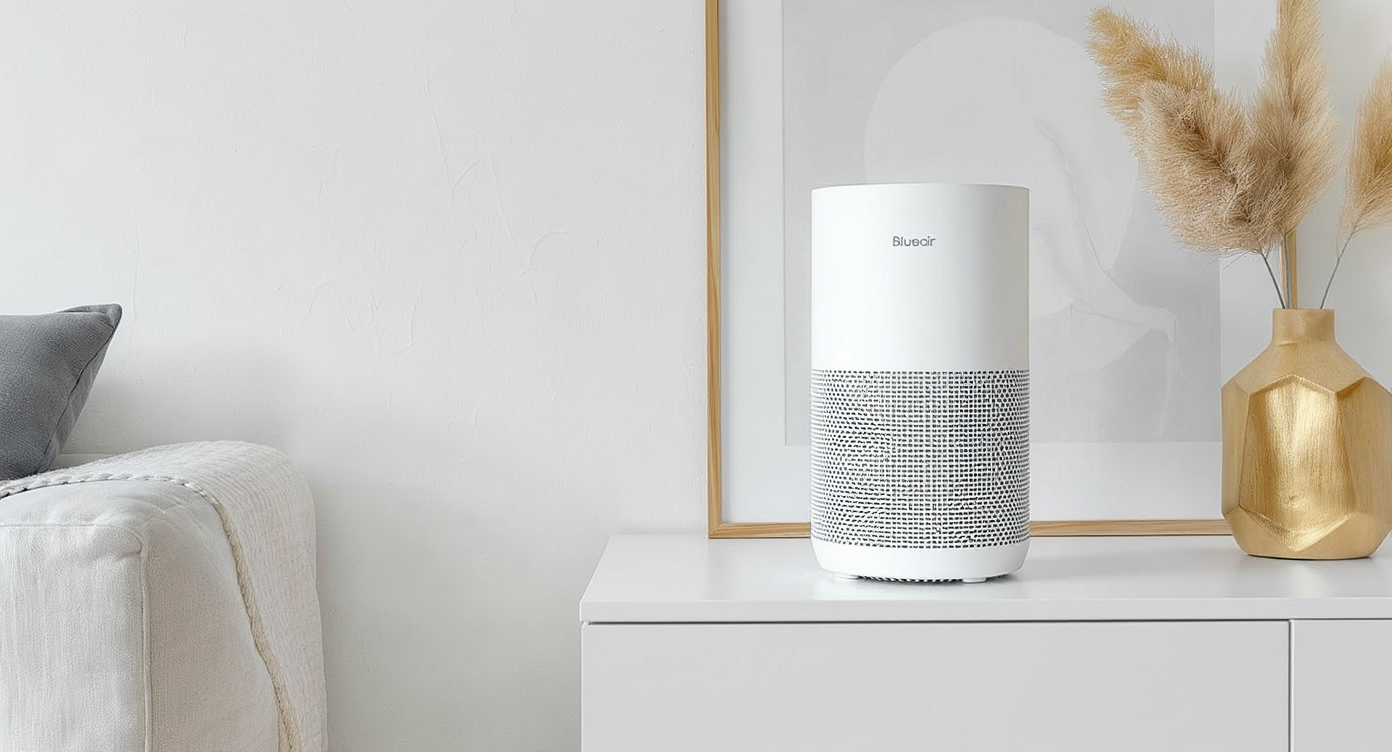
Blueair Air Purifier Review 2026 – Complete Guide
When it comes to purifying the air in your home, Blueair has established itself as one of the most trusted names in the industry. Founded in Sweden in 1996, Blueair has built a reputation for combining Scandinavian design with powerful filtration technology. In this comprehensive review, we will explore everything you need to know about Blueair air purifiers in 2026, including their top models, performance, and whether they are worth your investment.
Why Choose Blueair Air Purifiers?
Blueair air purifiers stand out in a crowded market for several compelling reasons. First and foremost, their Swedish engineering ensures exceptional build quality and reliability. Blueair uses HEPASilent technology, which combines mechanical filtration with electrostatic charging to capture 99.97% of airborne particles down to 0.1 microns—all while operating at whisper-quiet levels.
Consumer Reports consistently rates Blueair units among the most reliable air purifiers on the market. In fact, CR members report high satisfaction rates and find Blueair purifiers to be exceptionally dependable over years of use. This reliability factor alone makes them worth considering for your home.
Top Blueair Models in 2026
Blueair Blue Pure 211+
The Blueair Blue Pure 211+ remains one of the most popular choices for medium to large rooms. Designed for spaces up to 540 square feet, this unit delivers a clean air delivery rate (CADR) of 350+ CFM. Its three-stage filtration system includes a washable pre-filter, HEPA filter, and activated carbon layer.
What sets the Blue Pure 211+ apart is its combination of performance and value. At around $300, it offers professional-grade purification without the premium price tag. The machine weighs only 13 pounds, making it easy to move from room to room as needed.
Key Features:
- Coverage: Up to 540 sq ft
- CADR: 350+ CFM
- Filter Life: 6-12 months
- Noise Level: 25-50 dB
- Energy Star Certified
Blueair Classic 211i Max
For those seeking smart features, the Blueair Classic 211i Max delivers. This WiFi-enabled model can be controlled via the Blueair Friend app, allowing you to monitor air quality, adjust settings, and schedule operations from your smartphone. It covers rooms up to 370 square feet and features real-time air quality monitoring.
The 211i Max includes Blueair Auto mode, which automatically adjusts fan speed based on detected air quality. This intelligent feature ensures optimal performance while conserving energy when the air is already clean.
Price Range: $349-$399
Blueair Blue Pure 411+
Perfect for smaller spaces, the Blueair Blue Pure 411+ is compact yet effective. Ideal for bedrooms, offices, or apartments up to 200 square feet, this model proves that great things come in small packages. Despite its smaller footprint, it still utilizes Blueair HEPASilent technology.
This unit is particularly popular among renters or those seeking a secondary unit for targeted purification. Its sleek, cylindrical design fits seamlessly into any decor.
Price Range: $149-$179
How Blueair Compares to Competitors
When comparing Blueair to other top brands like Coway, Dyson, and Levoit, several factors come into play. Blueair units typically offer longer filter life (6-12 months vs. 3-6 months for some competitors), which can reduce long-term maintenance costs. Their HEPASilent technology also produces less operational noise than many competing models at equivalent CADR ratings.
However, some users note that Blueair purifiers lack certain premium features found in competitors, such as built-in air quality sensors on lower-tier models. The smart features are reserved for their i Max series, which comes at a higher price point.
Maintenance and Filter Replacement
One of the most important aspects of owning a Blueair air purifier is proper maintenance. The company recommends replacing filters every 6-12 months, depending on usage and air quality conditions. Blueair filters are not washable—attempting to clean them can damage the delicate HEPA fibers.
Filter replacement costs vary by model, typically ranging from $30-$60 per replacement filter. While this might seem expensive, the extended filter life compared to competitors often makes Blueair more cost-effective over time.
Pros and Cons
Pros:
- Excellent particle capture (99.97% of particles down to 0.1 microns)
- Whisper-quiet operation thanks to HEPASilent technology
- Long-lasting filters (6-12 months)
- Energy Star certified for energy efficiency
- Sleek Scandinavian design
- High customer satisfaction and reliability ratings
Cons:
- Smart features limited to higher-end models
- No built-in air quality sensor on base models
- Carbon filters sold separately on some units
Is a Blueair Air Purifier Right for You?
Blueair air purifiers are an excellent choice for anyone serious about improving indoor air quality. They are particularly well-suited for:
- Allergy sufferers: The HEPA filtration effectively captures pollen, dust mites, pet dander, and other allergens.
- Pet owners: Blueair units excel at removing pet odors and dander from the air.
- Families: The reliable performance and quiet operation make them ideal for bedrooms and living spaces.
- Quality-conscious consumers: Blueair reputation for durability and reliability appeals to those wanting long-term solutions.
If you are looking for a trusted air purification solution that balances performance, aesthetics, and value, Blueair should be at the top of your list. Their range of models ensures there is a suitable option for every space and budget.
Our Verdict: Blueair earns our recommendation as a top-tier air purifier brand. The Blue Pure 211+ remains our top pick for most households, offering the best combination of coverage, performance, and price.
Where to Buy
You can find Blueair air purifiers on Amazon with fast shipping and competitive pricing. Check current prices and availability for the Blueair Classic 211i Max and Blue Pure 211+ to find the best deals.