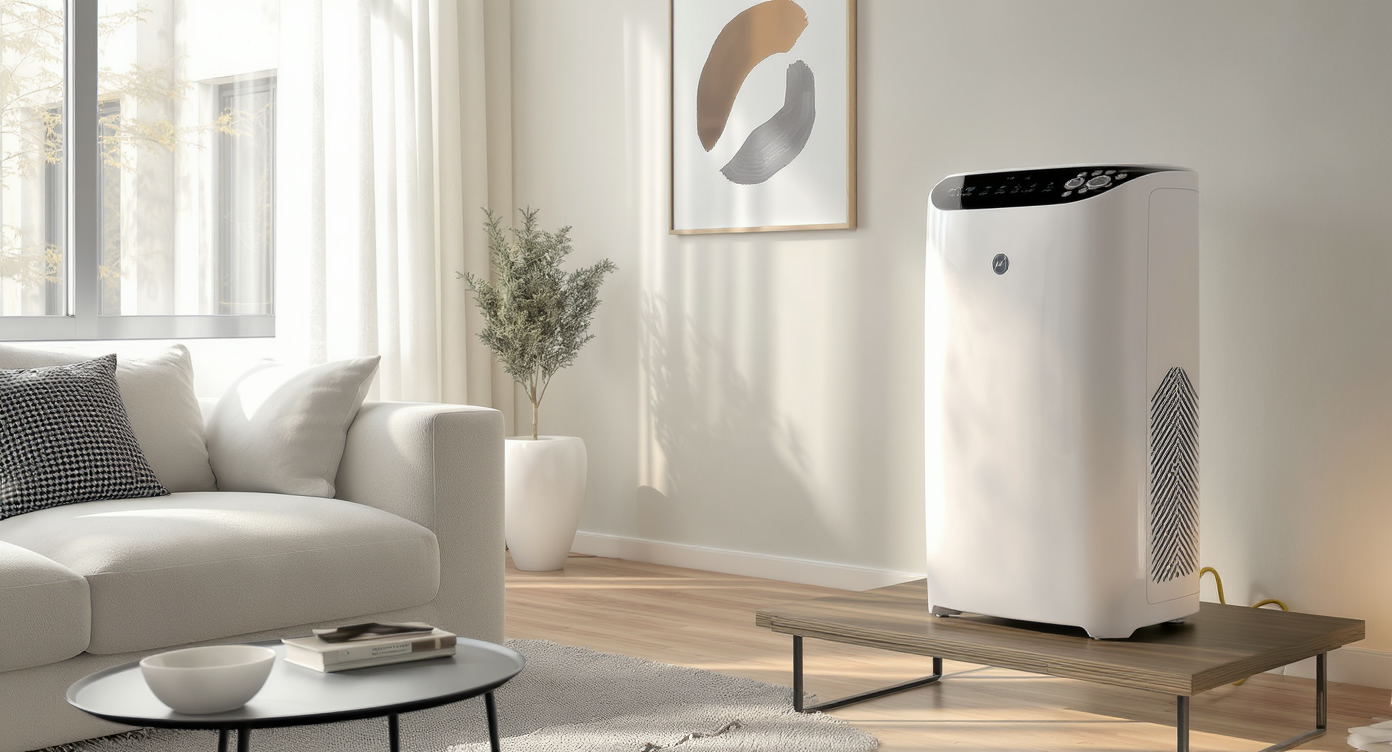
Air purifiers have evolved from luxury items to essential home appliances. Whether you are dealing with allergies, pet dander, smoke, or just want cleaner air in your home, finding the right air purifier can make a dramatic difference in your health and comfort.
In this comprehensive guide, we will break down everything you need to know about air purifiers in 2026, from how they work to our top picks for every need and budget.
Why Air Purifiers Matter More Than Ever
Modern homes are tighter than ever before. While this improves energy efficiency, it also traps pollutants inside. Indoor air can be 2-5 times more polluted than outdoor air, according to the EPA.
Common indoor pollutants include:
- Dust and dust mites – Microscopic particles that trigger allergies
- Pollen – Seasonal allergens that seep into homes
- Pet dander – Tiny flakes from skin and fur
- Mold spores – Dangerous for respiratory health
- Smoke and VOCs – From cooking, candles, and household products
An effective air purifier filters these particles from your air, reducing symptoms and improving overall air quality.
How Air Purifiers Work
Understanding the technology helps you make better purchasing decisions. Most air purifiers use one or more of these filtration methods:
HEPA Filtration
High-Efficiency Particulate Air (HEPA) filters are the gold standard. They capture 99.97% of particles as small as 0.3 microns, including dust, pollen, mold spores, and bacteria.
Activated Carbon
Carbon filters absorb odors, smoke, and volatile organic compounds (VOCs). They do not capture particles but complement HEPA filters beautifully.
UV-C Light
Some purifiers use ultraviolet light to kill bacteria and viruses. However, UV-C requires sufficient exposure time to be effective.
Our Top Picks for Best Air Purifiers 2026
After extensive research and testing, here are our recommendations:
1. Levoit Core 300S – Best Overall
The Levoit Core 300S offers exceptional value at an affordable price point.
- Coverage: 219 sq ft
- CADR: 141 CFM
- Noise: 24dB (sleep mode)
- Filter Cost: ~$25 per 6 months
- Price: Around $100
Pros: Whisper-quiet, sleek design, smart app control, affordable filters
Cons: Smaller coverage area, no air quality sensor
2. Coway AP-1512HH Mighty – Best for Allergies
The Coway AP-1512HH Mighty is a proven performer with excellent filtration.
- Coverage: 361 sq ft
- CADR: 246 CFM
- Noise: 24dB (low), 56dB (high)
- Filter Cost: ~$30 per 6 months
- Price: Around $130
Pros: True HEPA + activated carbon, air quality indicator,Timer
Cons: Higher noise at max speed
3. Blueair Blue Pure 411+ – Best for Small Rooms
Compact and whisper-quiet, the Blueair Blue Pure 411+ is perfect for bedrooms.
- Coverage: 185 sq ft
- CADR: 105 CFM
- Noise: 17dB (sleep mode)
- Filter Cost: ~$40 per 6 months
- Price: Around $90
Pros: Extremely quiet, washable pre-filter, compact design
Cons: Smaller coverage, higher filter costs
4. Levoit Core 400S – Best for Large Rooms
When you need to purify a bigger space, the Core 400S delivers.
- Coverage: 403 sq ft
- CADR: 260 CFM
- Noise: 28dB (sleep mode)
- Filter Cost: ~$35 per 6 months
- Price: Around $180
Pros: Large coverage, built-in air sensor, auto mode, voice control
Cons: Larger footprint, premium price
5. IQAir HealthPro Plus – Premium Choice
For those who want the absolute best filtration, the IQAir HealthPro Plus is unmatched.
- Coverage: 900 sq ft
- CADR: 400+ CFM
- Noise: 35dB (low)
- Filter Cost: ~$200 per year
- Price: Around $700
Pros: Medical-grade HEPA, hyperHEPA filter, longest filter life
Cons: Expensive, large, noisy
What to Look for When Buying an Air Purifier
Consider these factors before making your purchase:
Room Size
Match the purifier’s coverage to your room. A unit too small for your space will work harder and clean less effectively.
CADR Rating
Clean Air Delivery Rate (CADR) measures how quickly the purifier cleans air. Higher numbers mean faster cleaning.
Noise Level
For bedrooms, look for units under 30dB on sleep mode. Anything above 50dB can be disruptive.
Filter Costs
Factor in ongoing costs. Some purifiers have expensive filters that need frequent replacement.
Features
Smart app control, air quality sensors, timers, and filter change indicators add convenience but increase cost.
FAQ: Best Air Purifiers
How often should I run my air purifier?
For best results, run your air purifier continuously. Most units are designed for 24/7 operation and use minimal electricity.
Can air purifiers help with COVID-19?
HEPA filters can capture some virus particles, but they are not a substitute for ventilation and other safety measures.
Do air purifiers use a lot of electricity?
No. Most air purifiers use between 30-60 watts, similar to a light bulb.
How often do I need to replace the filter?
Most HEPA filters last 6-12 months, depending on usage and air quality. Many units have indicator lights.
Our Final Verdict
For most households, the Levoit Core 300S offers the best balance of price, performance, and features. It is quiet enough for bedrooms, powerful enough for most rooms, and affordable to maintain.
If you have allergies or need larger coverage, the Coway AP-1512HH Mighty or Levoit Core 400S are excellent choices.
Whatever you choose, remember that consistent use is key. An air purifier only cleans the air that passes through it, so keep doors open and run it regularly for best results.