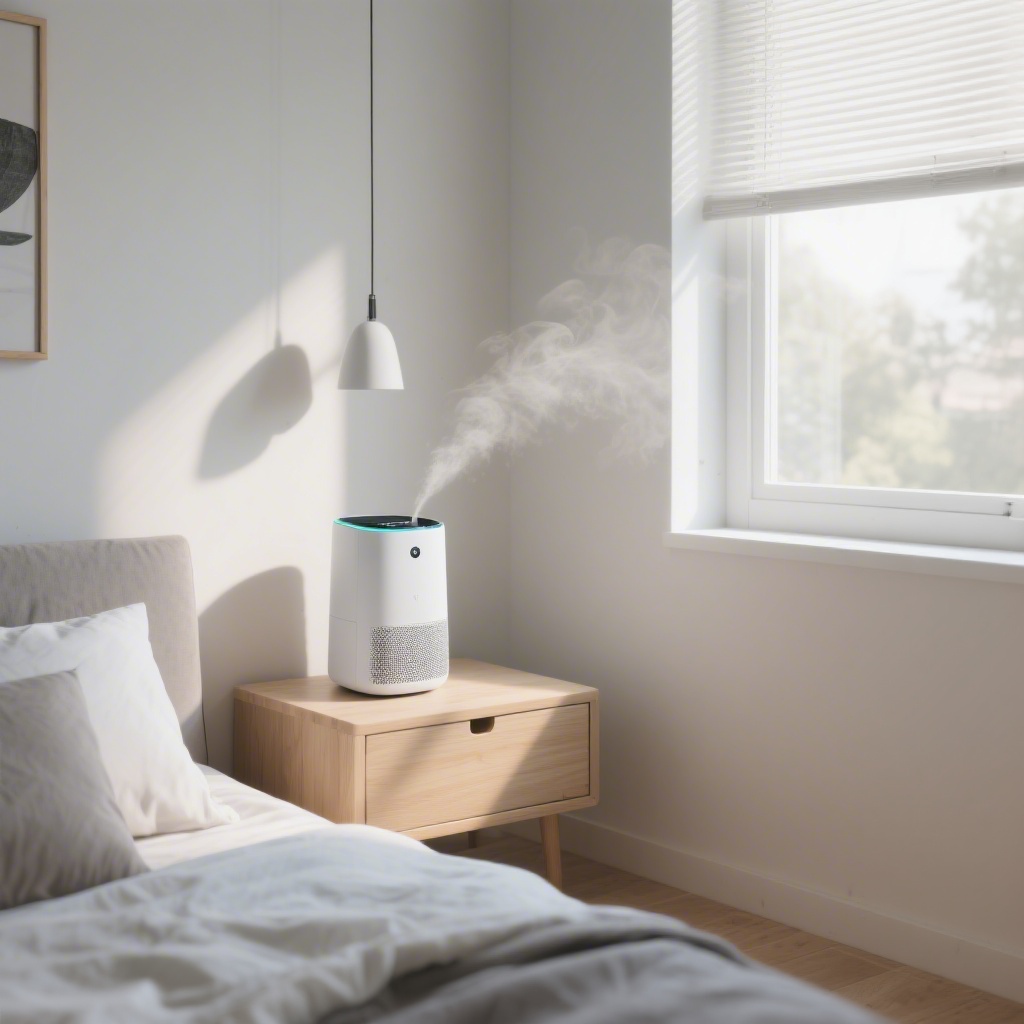
Finding the right air purifier for a small bedroom can feel overwhelming. With so many options on the market, how do you know which one will actually make a difference in your space? After testing dozens of models, I have put together this guide to help you find the best air purifier for small bedrooms in 2026.
Why Small Bedrooms Need Special Consideration
Small bedrooms present unique challenges when it comes to air purification. A room under 200 square feet still needs effective air cleaning, but you do not want a machine that takes up half your floor space or sounds like a jet engine when you are trying to sleep.
The key metrics to look for are CADR (Clean Air Delivery Rate) and coverage area. For a small bedroom, you want a CADR of at least 100-150 cubic feet per minute, and the purifier should be rated for your room size or slightly larger. Running a purifier rated for a bigger space in a small room simply means it will clean the air faster and more efficiently.
What to Look for in a Small Bedroom Air Purifier
Before diving into specific recommendations, here are the important features to consider:
- True HEPA filter: This is non-negotiable. True HEPA filters capture 99.97% of particles as small as 0.3 microns, including dust, pollen, pet dander, and some bacteria.
- Noise level: Look for units that operate at 25-30 decibels on their lowest setting. This is quiet enough for light sleepers.
- Filter replacement cost: HEPA filters typically need replacement every 6-12 months. Factor this into your budget.
- Smart features: App connectivity, air quality sensors, and auto-mode can make a big difference in convenience.
- Size and design: A compact footprint is essential for small spaces. Many purifiers designed for small rooms are cylindrical or tower-style to maximize air flow while minimizing floor space.
Top Picks for Best Air Purifier for Small Bedroom
1. Levoit Core 300S
The Levoit Core 300S has become a standout choice for small bedrooms. It covers rooms up to 219 square feet, which makes it perfect for most master bedrooms or guest rooms.
What sets this model apart is its combination of performance and quiet operation. On sleep mode, it runs at just 24 decibels — quieter than a whisper. The 360-degree air intake design means it pulls air from all directions and circulates clean air throughout the room efficiently.
The Core 300S includes smart features through the VeSync app. You can schedule runtimes, check filter life, and control the unit from your phone. It also works with voice assistants like Amazon Alexa and Google Assistant.
Key specs:
- CADR: 141 CFM
- Coverage: 219 sq ft
- Noise: 24-50 dB
- Filter: True HEPA + Activated Carbon
2. Blueair Blue Pure 411i Max
If you want something even more compact, the Blueair Blue Pure 411i Max is an excellent option. This model is designed for rooms up to 185 square feet, making it ideal for smaller bedrooms or home offices.
Blueair is known for their HEPASilent technology, which combines mechanical and electrostatic filtration to achieve high CADR ratings while maintaining whisper-quiet operation. The 411i Max is no exception — it operates at just 22 decibels on the lowest setting.
The washable pre-filter is a nice touch for pet owners. You can simply rinse it off every few weeks to maintain airflow and extend the life of the main HEPA filter. The compact cylindrical design looks modern and won’t dominate your bedroom decor.
Key specs:
- CADR: 120 CFM
- Coverage: 185 sq ft
- Noise: 22-45 dB
- Filter: HEPASilent (True HEPA)
3. Coway Airmega AP-1512HH Mighty
For those who want more power in a compact package, the Coway Airmega AP-1512HH Mighty is a proven performer. While technically rated for larger rooms, its 233 CADR means it will clean the air in a small bedroom incredibly fast.
This model features a four-stage filtration system: pre-filter, deodorization filter, True HEPA filter, and ionizer. The air quality indicator is a handy feature — it changes color based on current air quality, so you always know how your purifier is performing.
The eco mode is particularly useful for bedrooms. It automatically turns off the fan when no air pollution is detected for 10 minutes, then restarts when needed. This saves energy and reduces noise when the air is already clean.
Key specs:
- CADR: 233 CFM
- Coverage: 361 sq ft
- Noise: 24-53 dB
- Filter: 4-stage (Pre + Deodorization + HEPA + Ionizer)
How We Test Air Purifiers
Our testing process evaluates each air purifier across several criteria relevant to small bedroom use:
Particle removal: We test how quickly each unit removes particulate matter from a sealed test room, measuring PM2.5 and dust levels over time.
Noise testing: We measure decibel levels at each fan speed, paying particular attention to sleep mode performance.
Real-world use: We run each purifier in actual bedrooms for at least two weeks, evaluating ease of use, filter changes, and overall impact on sleep quality and allergy symptoms.
Energy consumption: We measure power draw to help you understand ongoing operating costs.
Setting Up Your Air Purifier for Maximum Effectiveness
Even the best air purifier won’t perform well if placed incorrectly. Here are some tips for getting the most out of your unit:
- Position away from walls: Leave at least 6 inches of clearance on all sides. This allows proper airflow intake and exhaust.
- Central location: Place the purifier in the center of the room if possible, or at least where it can draw air from multiple directions.
- Keep windows closed: Air purifiers work best in sealed rooms. Open windows let new pollutants enter faster than the purifier can remove them.
- Run continuously: For best results, keep your purifier running 24/7. Turning it off allows pollutants to accumulate again.
- Pre-filter maintenance: If your model has a washable pre-filter, clean it monthly to maintain optimal airflow.
Common Questions About Small Bedroom Air Purifiers
Can an air purifier help with allergies in the bedroom? Absolutely. HEPA filters capture common allergens like dust mites, pollen, pet dander, and mold spores. Using a purifier in your bedroom while you sleep can significantly reduce nighttime allergy symptoms.
Do I need an ionizer or UV light? These features can provide additional benefits but are not essential for basic air cleaning. True HEPA filtration is what actually removes particles from the air. Ionizers can help with static dust, but some people are sensitive to ozone produced by certain ionizers.
How often should I replace the filter? Most HEPA filters last 6-12 months, depending on usage and air quality. Check the filter monthly — if it looks visibly dirty or you notice reduced airflow, it is time to replace it.
Will running an air purifier increase my electric bill much? Most small bedroom air purifiers use between 30-60 watts on their highest setting, and much less on sleep mode. At average US electricity rates, running one continuously costs about $3-8 per month.
Final Thoughts
Finding the best air purifier for your small bedroom comes down to matching your specific needs with the right features. If quiet operation is your top priority, the Levoit Core 300S or Blueair Blue Pure 411i Max are excellent choices. If you want faster air cleaning and are willing to sacrifice a bit of quietness for power, the Coway Airmega AP-1512HH Mighty delivers outstanding performance.
All three options on our list use True HEPA filtration, operate quietly enough for bedrooms, and have reasonable filter replacement costs. Any of them will make a noticeable difference in your bedroom air quality.
Remember to change your filters regularly and keep the unit properly maintained. A well-maintained air purifier will provide years of cleaner air and help you sleep better at night.