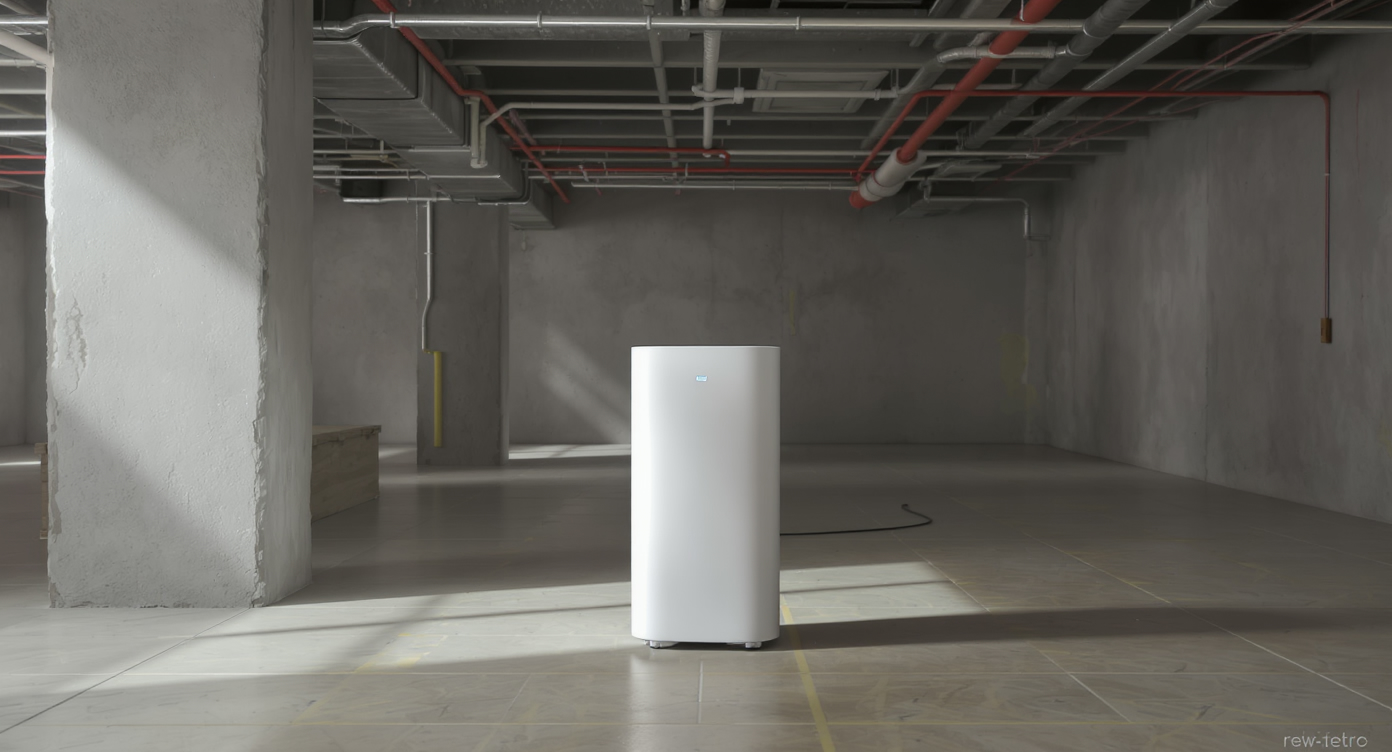
Basements often have some of the worst air quality in any home. Between moisture buildup, musty odors, dust accumulation, and potential mold growth, breathing air in these underground spaces can be a real problem. If you spend time in your basement—whether as a home office, gym, or just storage—you owe it to yourself to improve what you are breathing.
An air purifier designed for basement use can make a surprising difference. But not just any purifier will do. You need something that handles the specific challenges that come with below-ground spaces.
Why Basements Need Special Attention
Let me break down why basement air is typically worse than the rest of your house. First, basements tend to be damp. Moisture seeps through concrete walls and floors, creating the perfect environment for mold and mildew. These organisms release spores into the air, which can cause allergic reactions and respiratory issues.
Second, ventilation is usually poor. Most basements have limited windows and fewer air vents than upper floors. This means stale air just sits there, collecting pollutants over time.
Third, basements often store things that off-gas. Old furniture, paint cans, cleaning supplies, and stored clothing can release volatile organic compounds (VOCs) into the air. Without proper ventilation, these chemicals build up.
What to Look for in a Basement Air Purifier
When shopping for an air purifier for your basement, there are a few key features you should prioritize.
True HEPA filtration is non-negotiable. This is the gold standard for capturing airborne particles. Look for a purifier that specifically states it uses True HEPA, not just “HEPA-type” or “HEPA-style” filters. True HEPA filters capture 99.97% of particles as small as 0.3 microns, which includes dust, pollen, mold spores, and pet dander.
Activated carbon filter is equally important for basement use. This layer absorbs odors and chemicals. Since basements often have musty smells and potential VOC exposure, the carbon filter will handle what HEPA cannot—gaseous pollutants and odors.
Coverage area matters. Measure your basement square footage and choose a purifier rated for that space or larger. It’s always better to oversize than undersize. A purifier working too hard in a large room won’t clean effectively.
Consider humidity. Some purifiers include humidistats or work poorly in humid environments. If your basement tends to be damp, look for a model that handles higher humidity without compromising filter performance.
Our Top Pick: Levoit Core 300
After researching dozens of options, we think the Levoit Core 300 is the best all-around choice for most basements. Here’s why.
First, it uses a True HEPA filter combined with an activated carbon layer. That means it handles both particles and odors—exactly what you need for basement air. The carbon filter is specifically designed to tackle musty smells, which is a common complaint in below-ground spaces.
Second, it covers up to 1,092 square feet, making it suitable for most basement spaces. Even if your basement is smaller, the extra capacity means it can cycle air more quickly and effectively.
Third, it’s surprisingly quiet for its size. The sleep mode runs at just 24 decibels, which is quieter than a whisper. You can run it while working or watching TV without it becoming a distraction.
Finally, the filter replacements are reasonably priced. Some purifiers trap you into buying expensive proprietary filters, but Levoit’s replacements are affordable and widely available.
Runner-Up: Coway AP-1512HH Mighty
If you want something with a bit more features, check out the Coway AP-1512HH Mighty. This purifier has a built-in air quality sensor that automatically adjusts its fan speed based on current air conditions. That means it works harder when needed and slows down when the air is cleaner, which extends filter life.
It also has a true HEPA filter plus an activated carbon pre-filter, giving you excellent filtration coverage. The Coway is rated for up to 361 square feet, so it’s better suited for smaller to medium basements.
One thing we like about this model is the pollution sensor. You can actually see the air quality improve in real-time on the display. It’s motivating to watch those pollution numbers drop after turning the purifier on.
For Larger Basements: Honeywell HPA300
If you have a large basement—say 500 square feet or more—the Honeywell HPA300 might be your best bet. This beast covers up to 465 square feet per air change cycle and uses True HEPA filtration.
Honeywell has been in the air purification game for decades, and their filters are known for durability and effectiveness. The HPA300 has multiple fan speeds and a turbo mode for when you need maximum cleaning power quickly.
It does run louder than some competitors at higher speeds, but if you have a big space to cover, this is a solid workhorse.
Installation and Placement Tips
Where you put your air purifier matters. Here are some tips to get the most out of your purchase.
Place the purifier in a central location if possible. This allows it to draw in air from all sides and distribute clean air throughout the room more efficiently. If you have a partially finished basement with multiple rooms, consider running the purifier in the main area or moving it between rooms periodically.
Keep it away from walls and furniture. Air purifiers need space to breathe—literally. Leave at least a foot of clearance on all sides so air can flow freely into and out of the unit.
Run it continuously. Air purifiers are designed to run 24/7. Turning it off defeats the purpose because pollutants continuously accumulate. The good news is that modern purifiers are energy-efficient and cheap to run.
Maintenance Matters
No air purifier works well forever without some basic maintenance. Here is what you need to do.
Replace filters regularly. Most HEPA filters last 6 to 12 months, depending on use and air quality. Carbon filters typically need replacement every 3 to 6 months. Some purifiers have filter change indicators, which take the guesswork out of timing.
Vacuum the exterior occasionally. Dust can accumulate on the outside vents, reducing airflow. A quick wipe-down every few weeks keeps things running smoothly.
Check the pre-filter. Some models have washable pre-filters that you can vacuum or rinse. If yours has one, clean it monthly for best results.
Final Thoughts
Investing in an air purifier for your basement is one of the easiest ways to improve your home’s overall air quality. Whether you choose the Levoit Core 300 for its balance of features and price, the Coway for its smart sensors, or the Honeywell for maximum coverage, you will notice a difference.
Breathing cleaner air can improve sleep, reduce allergies, and just make your basement a more pleasant space to spend time in. Do not let poor air quality go unchecked—your lungs will thank you.
If you have questions about choosing the right purifier for your specific basement setup, drop us a comment below. We are happy to help you find the perfect match.